Devon & Cornwall Roofing: Local Planning, Permits & Regional Guide
A comprehensive guide to local building regulations, planning permissions, conservation rules, and regional challenges for homeowners across Devon and Cornwall. Learn how we navigate the unique South West climate and heritage guidelines to protect your property.
Expert Local Guidance from an Independent South West Sole Trader
When you work with Devon and Cornwall Roofing, you deal directly with me—a local sole trader with years of hands-on experience working across both counties. There are no sales representatives, pushy coordinators, or sub-contractors passed from pillar to post. You benefit from direct accountability, honest local advice, and my absolute personal commitment to quality.
From the damp, high-wind microclimates of Dartmoor and Exmoor to the salt-spray coastal environments of St Ives, Newquay, and Torbay, our regional weather presents unique challenges. This guide is designed to help you understand the essential building permits, planning constraints, and material guidelines required to keep your home fully compliant, dry, and secure.
Key Trust Signal:
Fully covered by comprehensive Public Liability Insurance for complete peace of mind on every single domestic and commercial project.
Planning Permission & Building Regulations
Navigating the local authority requirements for roof replacements and modifications in the South West doesn't have to be complicated.
When Do You Need Planning Permission?
Generally, minor roof repairs, maintenance, and re-roofing within the same style and materials fall under Permitted Development. However, planning permission is often required if:
- You are altering the shape, height, or structure of the roof (e.g., converting a flat roof to a pitched roof).
- You plan to use materials that differ significantly from the existing style (e.g., swapping traditional slate for modern concrete tiles).
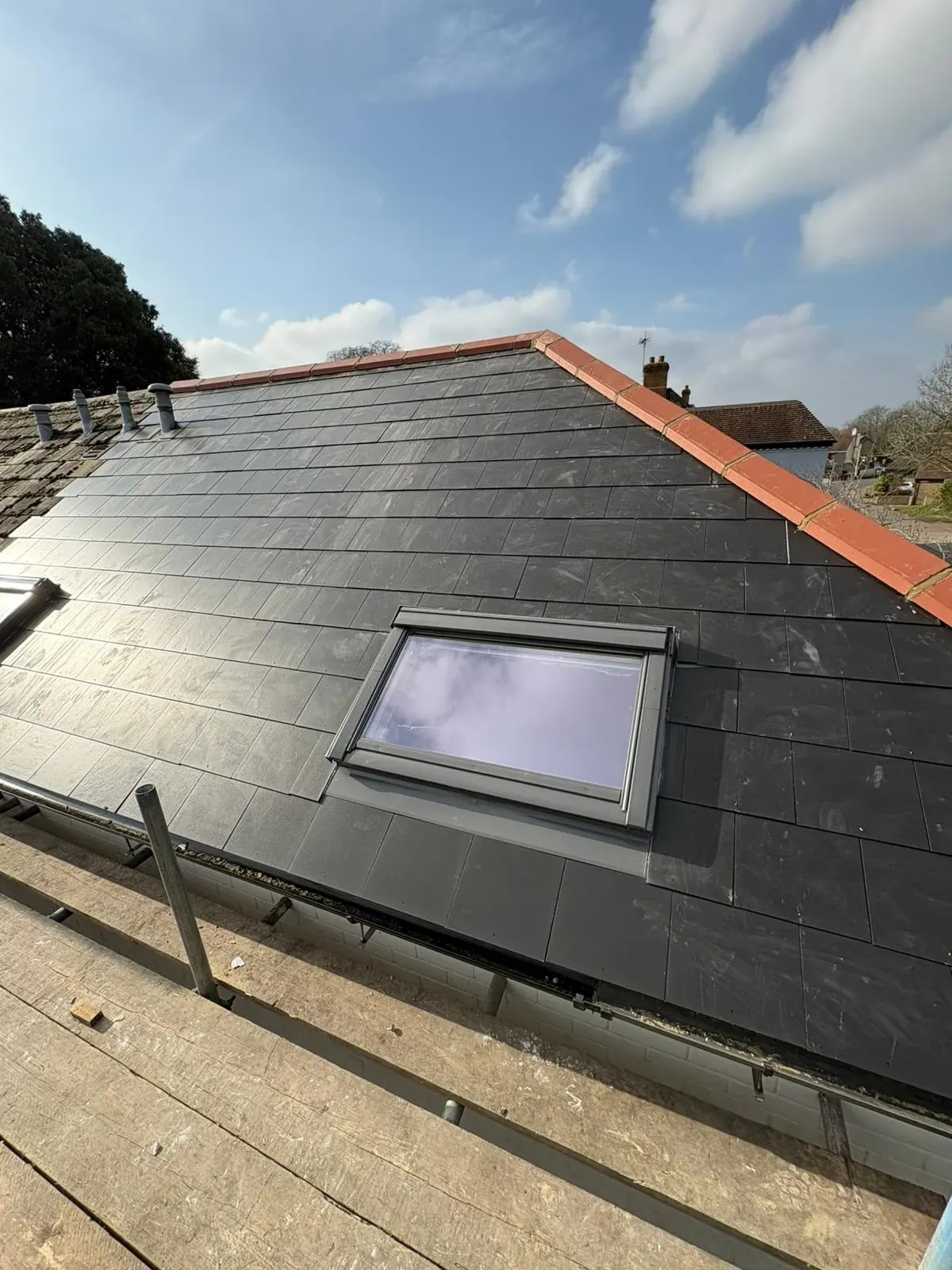
- You are installing solar panels or roof windows that protrude more than 150mm beyond the roof plane.
- Your property is located in a designated Conservation Area or is a Listed Building.
We frequently work with local planning authorities across Cornwall Council, Plymouth City Council, Exeter City Council, and South Hams District Council to ensure complete compliance.
Building Regulations Compliance
Any significant structural change or complete re-roofing project must comply with Building Regulations Part L (Conservation of fuel and power). This dictates that:
- If you are replacing more than 50% of your roof, you are legally required to upgrade the thermal insulation to meet modern U-value standards.
- Structural checks must be performed to ensure the existing timber frame (rafters and trusses) can support the load of any new materials (especially if swapping lightweight slate for heavier concrete tiles).
- Adequate ventilation must be integrated into the ridge or eaves to prevent condensation and timber rot in our humid maritime climate.
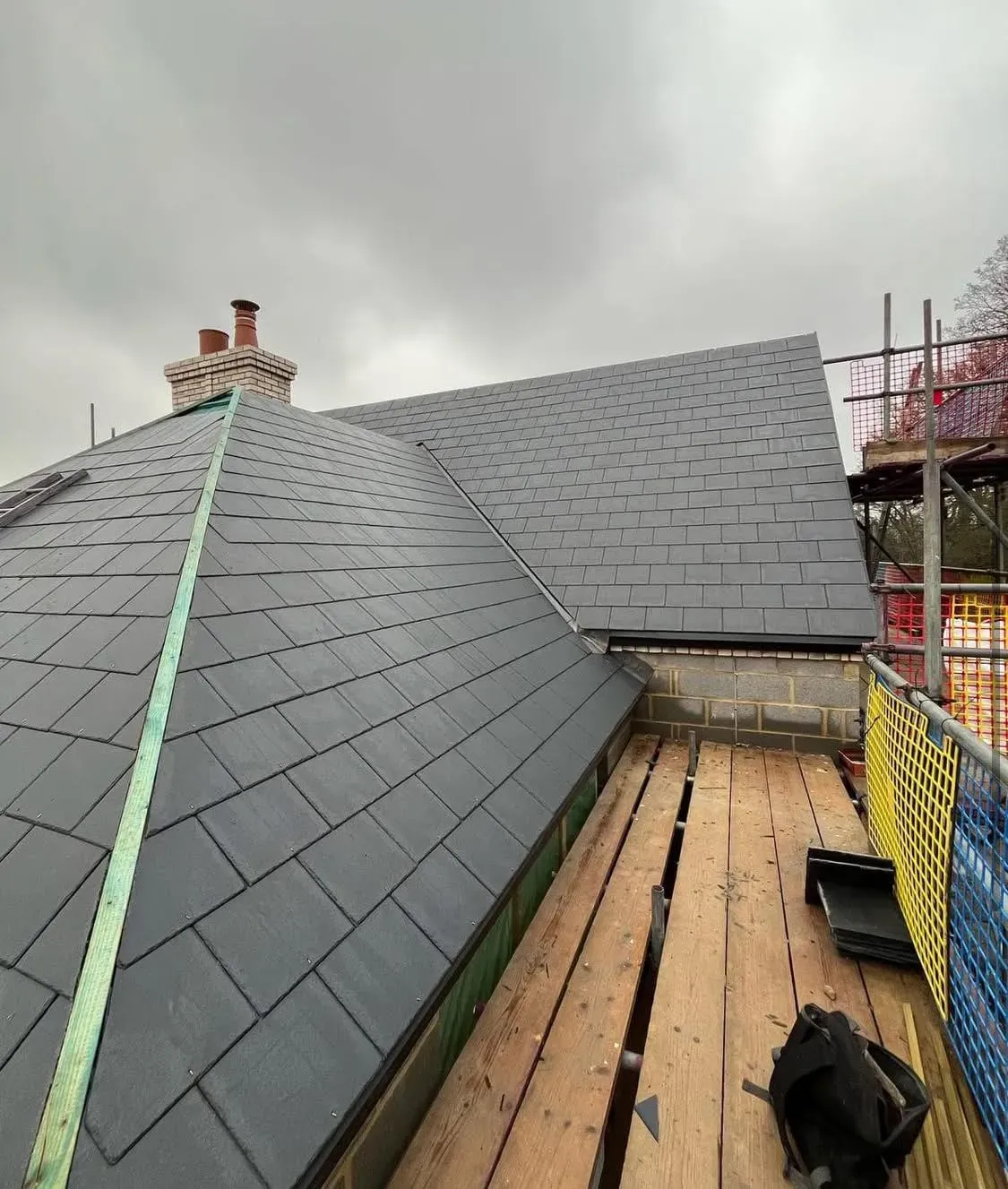
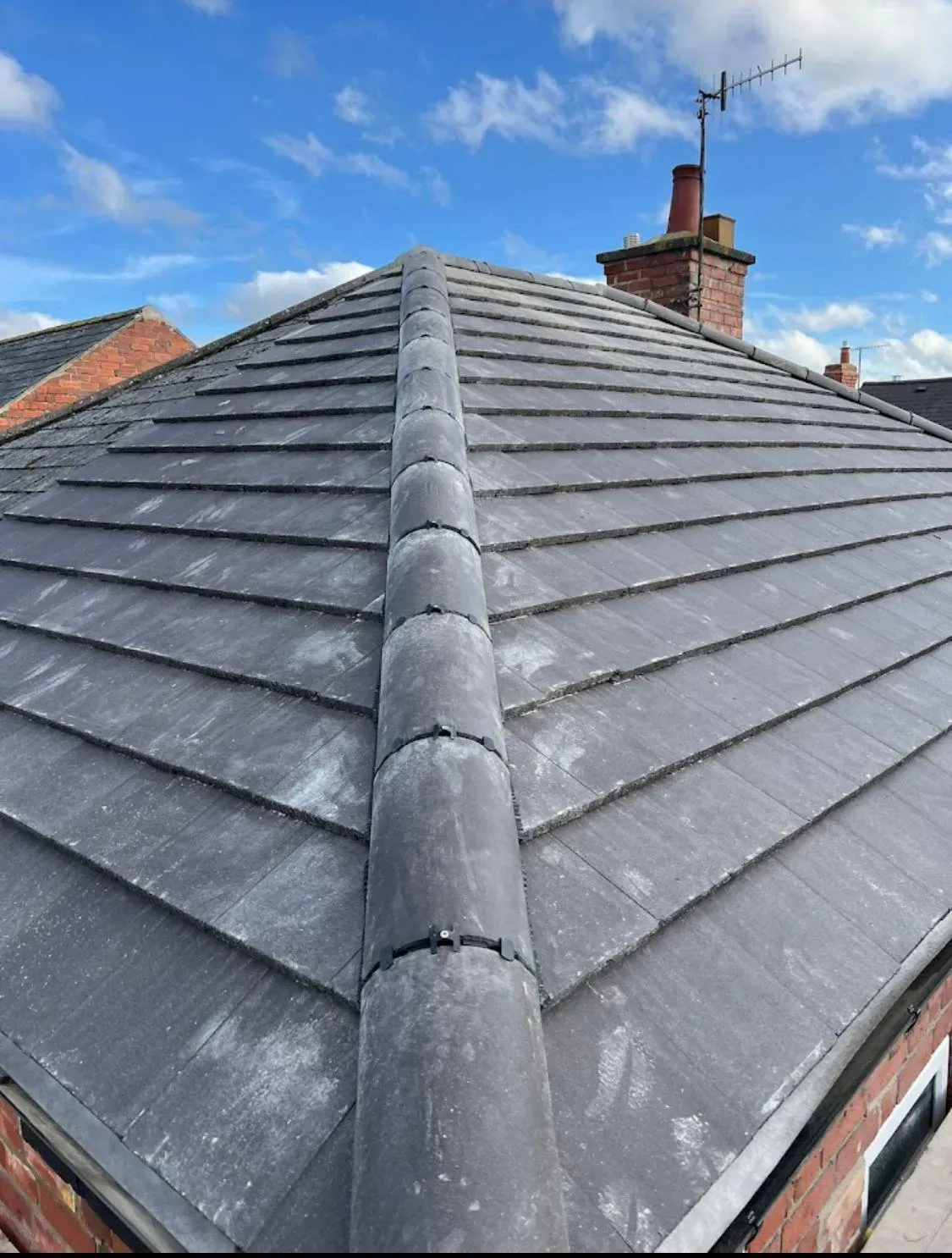
I manage all necessary structural considerations, install modern breathable membranes (like Tyvek), and implement dry-fix ridge systems to exceed modern building standards.
Conservation Areas & Listed Properties
From the historic streets of Tavistock and Totnes to coastal conservation gems like St Ives, Fowey, and Padstow, the South West boasts an incredible array of heritage properties. If you live in a listed building or conservation zone, standard roofing methods simply won't do.
Under local council guidelines, you must use traditional, historically accurate materials. This often means sourcing genuine reclaimed slate, using high-grade lead flashing, and applying traditional lime-mortar pointing rather than modern cement-based materials.
I specialise in heritage-appropriate installations. I can source high-quality, matched materials to retain the historic fabric and rustic aesthetics of older homes while incorporating discreet modern weatherproofing techniques that stand up to coastal storms.
A Local Roofer’s Guide to Devon & Cornwall
While I'm working hard on your roof, here is my personal guide to some of the finest sights, spots, and regional highlights across our coverage area.
Tavistock & Dartmoor
The historic stannary market town of Tavistock is a gateway to the rugged beauty of Dartmoor National Park. Properties here deal with severe moorland weather, high rainfall, and strong winds.
Local Gem: Enjoy a hearty walk up Brentor Church for stunning panoramic views, followed by a warm Devonshire cream tea (cream first!) at a traditional local tearoom.
Torbay & The South Hams
Including Torquay, Paignton, Brixham, and down to Salcombe. These areas enjoy milder climates but are highly exposed to coastal salt spray, requiring rust-resistant roof fixings.
Local Gem: Stroll around the historic fishing port of Brixham, and sample some of the freshest, world-class catch of the day at the local fish market or harbourside bistros.
St Ives, Falmouth & Truro
From the art-centric coastal town of St Ives to the deep natural harbour of Falmouth and the cathedral city of Truro, Cornwall’s properties feature beautiful traditional slate roofs.
Local Gem: Visit the iconic Tate St Ives, walk the coastal paths, and tuck into a genuine, crimped Cornish pasty (crimp on the side!) overlooking the Celtic Sea.
Need a Roof Inspection or Condition Report?
Whether you are in the middle of purchasing a historic home in Truro, dealing with storm damage in Plymouth, or need a drone survey to inspect hard-to-reach commercial valleys in Exeter, I can help. Get a transparent, professional assessment from a local specialist.
Frequently Asked Questions
Can I replace a slate roof with concrete tiles?
Yes, but with caveats. Concrete tiles are significantly heavier than natural slate. Before making the switch, a structural check must confirm that the timber roof rafters can safely handle the extra weight. Furthermore, if you live in a conservation area, local planners may insist you retain a slate aesthetic.
Do I need planning permission for roof windows or Velux conversions?
Usually, roof windows can be installed under Permitted Development, provided they do not project more than 150mm from the roof plane and are not higher than the highest part of the existing roof. If they face a side street or you are in a listed building, you will likely need specific planning permission.
How does the Devon and Cornwall coastal weather affect roof design?
High winds and salt spray require corrosion-resistant fixings, such as copper or stainless steel nails, rather than standard galvanised nails which rust quickly. Additionally, we use high-performance dry-fix ridge systems rather than traditional mortar, which can crack easily under intense wind loading and thermal movement.
Contact Your Trusted Local Roofer Today
No middle-men. No salespeople. Just professional, honest advice and transparent pricing from a highly experienced sole trader covering the whole of Devon and Cornwall.